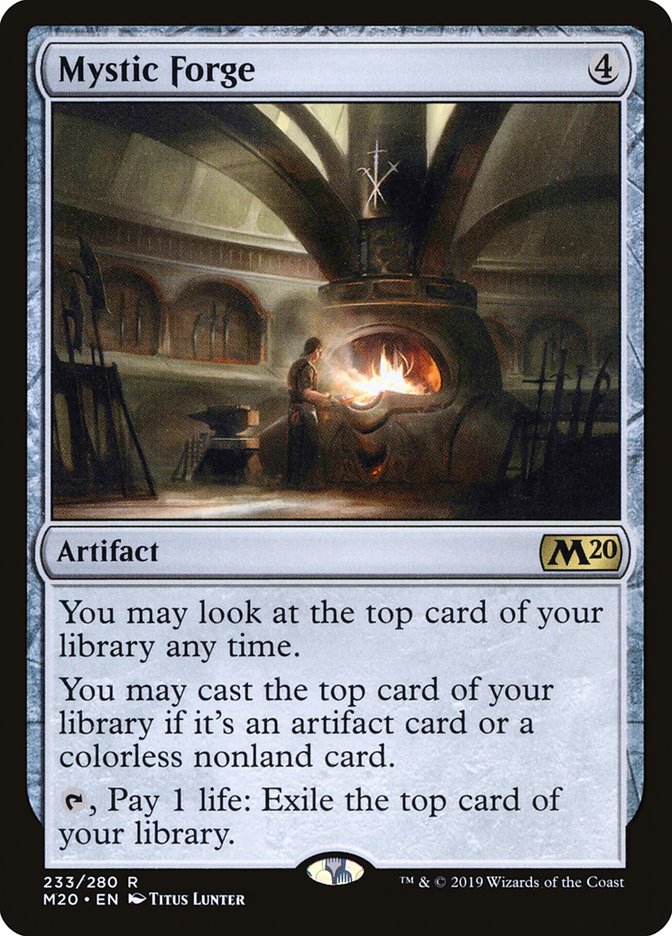
Midrange decks have lots of removal, interaction, and strong creatures

Advantages of Lower Power Levels Easier (and cheaper) to find combinations of mutually playable cards Relatively easy to ensure pet cards or favorite archetypes will be prominent features of the format A majority of newly released cards will easily integrate into the environment, permitting a quicker update cycle for highly active playgroups Low-power cubes can easily resemble slower formats like Retail Limited, Standard, or kitchen-table casual that place a relative emphasis on gameplay skills like card advantage and threat evaluation Advantages of Higher Power Levels Easier to conceptualize high power formats since the power outliers of Magics history are usually well-known to Cube designers, they can harness Constructed heuristics and knowledge To build high-power on a budget, designers can simply decrease the average MV of their interactive tools (discard, counterspells, removal), which will invalidate more expensive threats without affecting cheaper threats (in dollars and mana) A slower pace of updates is possible, since fewer cards from each new Magic release will be mutually playable with the existing cube High-power formats can easily resemble fast formats like Legacy or Modern that place a relative emphasis on gameplay skills like tempo and sequencing Other Notes Making incremental, like-for-like swaps to a Cube is a good way to hone in on a desired power level, because those small changes are unlikely to lead to big shifts in mutual playability
But they eventually switched over to the original galaxy holofoil starting in 2000's Base Set 2
Table of Contents Magic: The Gathering crossovers with other IPs continue to happen, and this time it's SpongeBob SquarePants